Pakistan's education sector is at a turning point. As institutions seek better engagement, improved learning outcomes, and future-ready infrastructure, smart classrooms offer a practical path forward. This article explores what smart classrooms mean for Pakistani schools, colleges, and universities, and why the investment pays off for students, teachers, and administrators alike.
What Is a Smart Classroom?
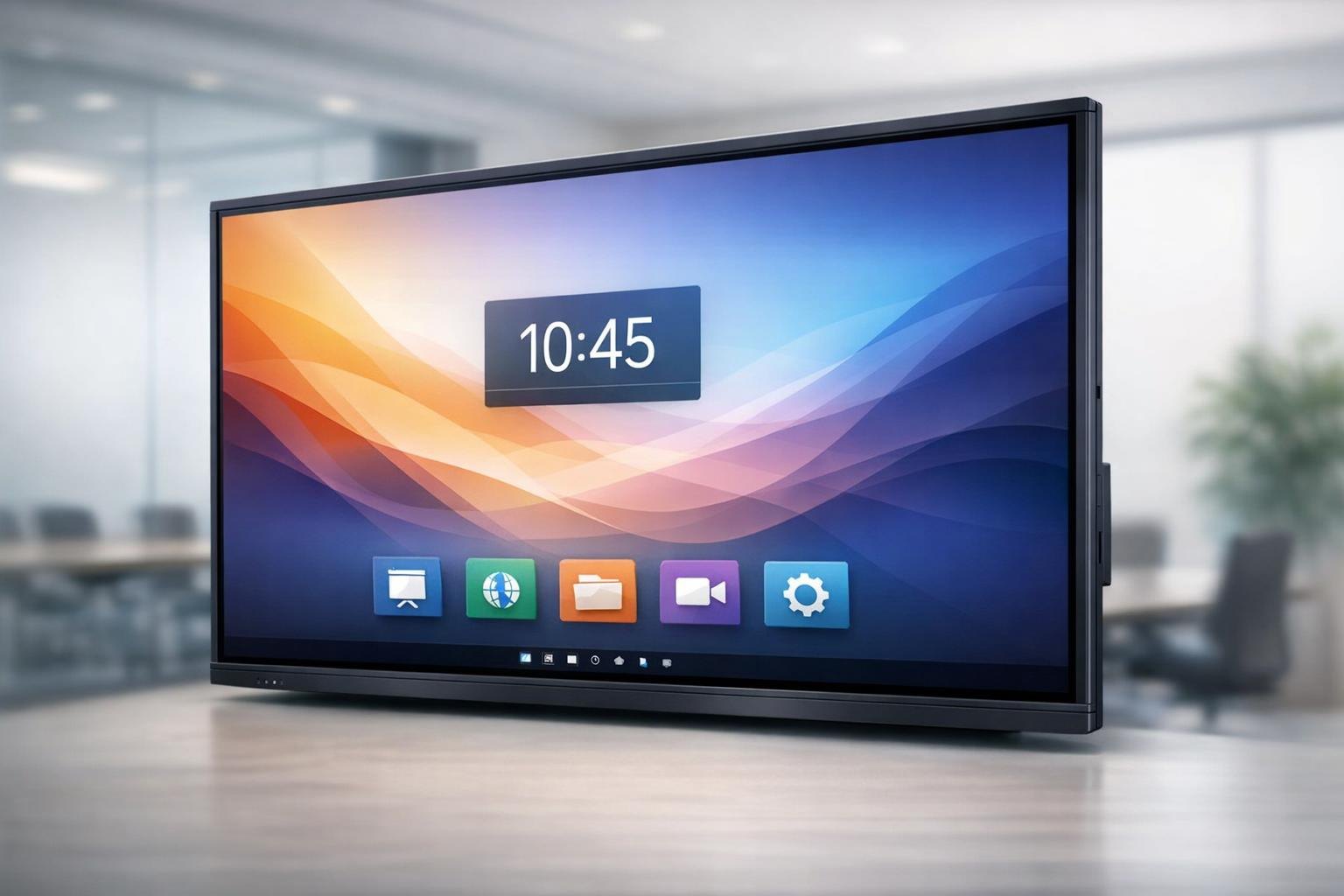
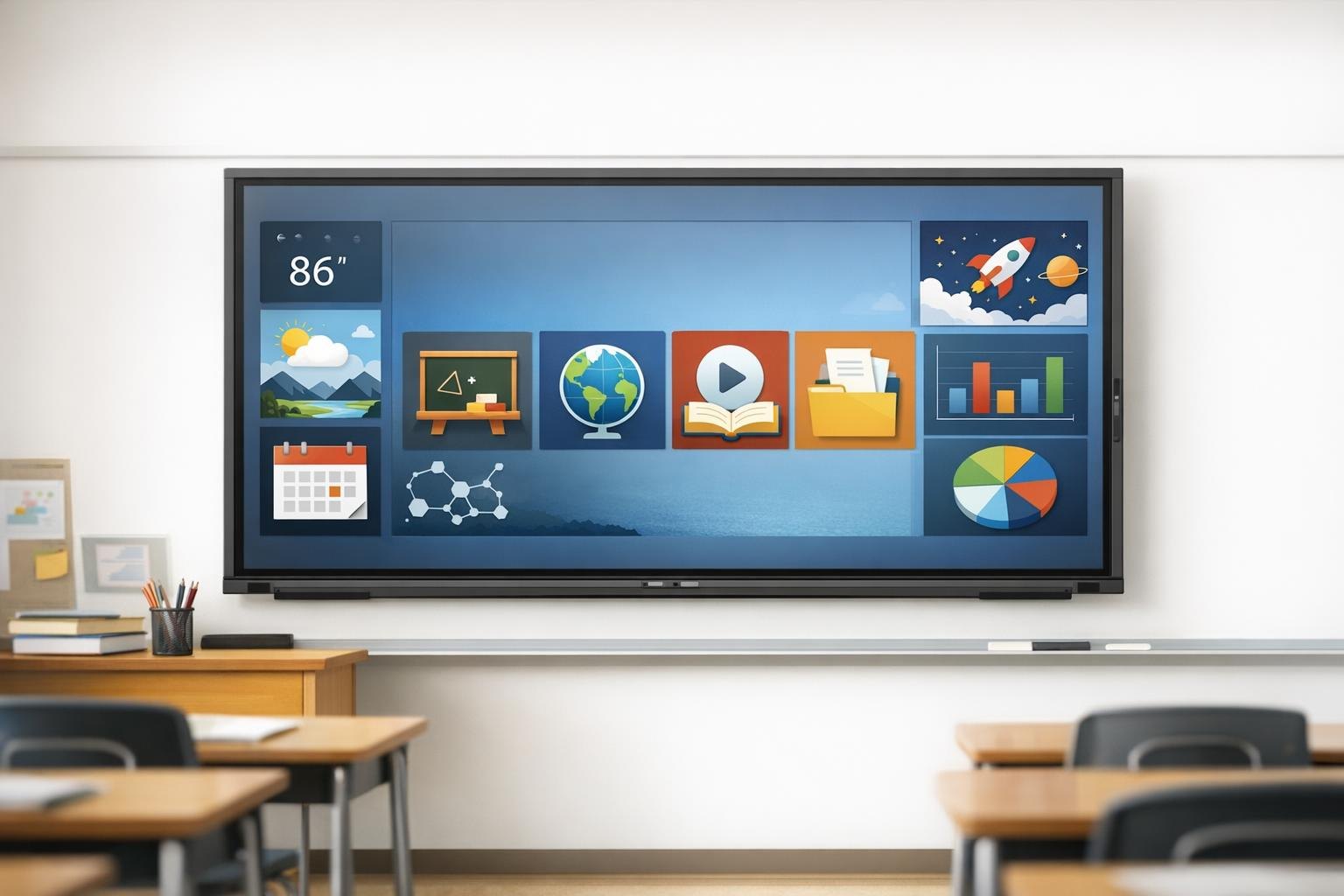
A smart classroom is a teaching space equipped with digital technology that enhances instruction, improves student participation, and simplifies content delivery. At the center of most smart classrooms is an interactive flat panel or smart board, a large touchscreen display that replaces traditional blackboards and projectors.
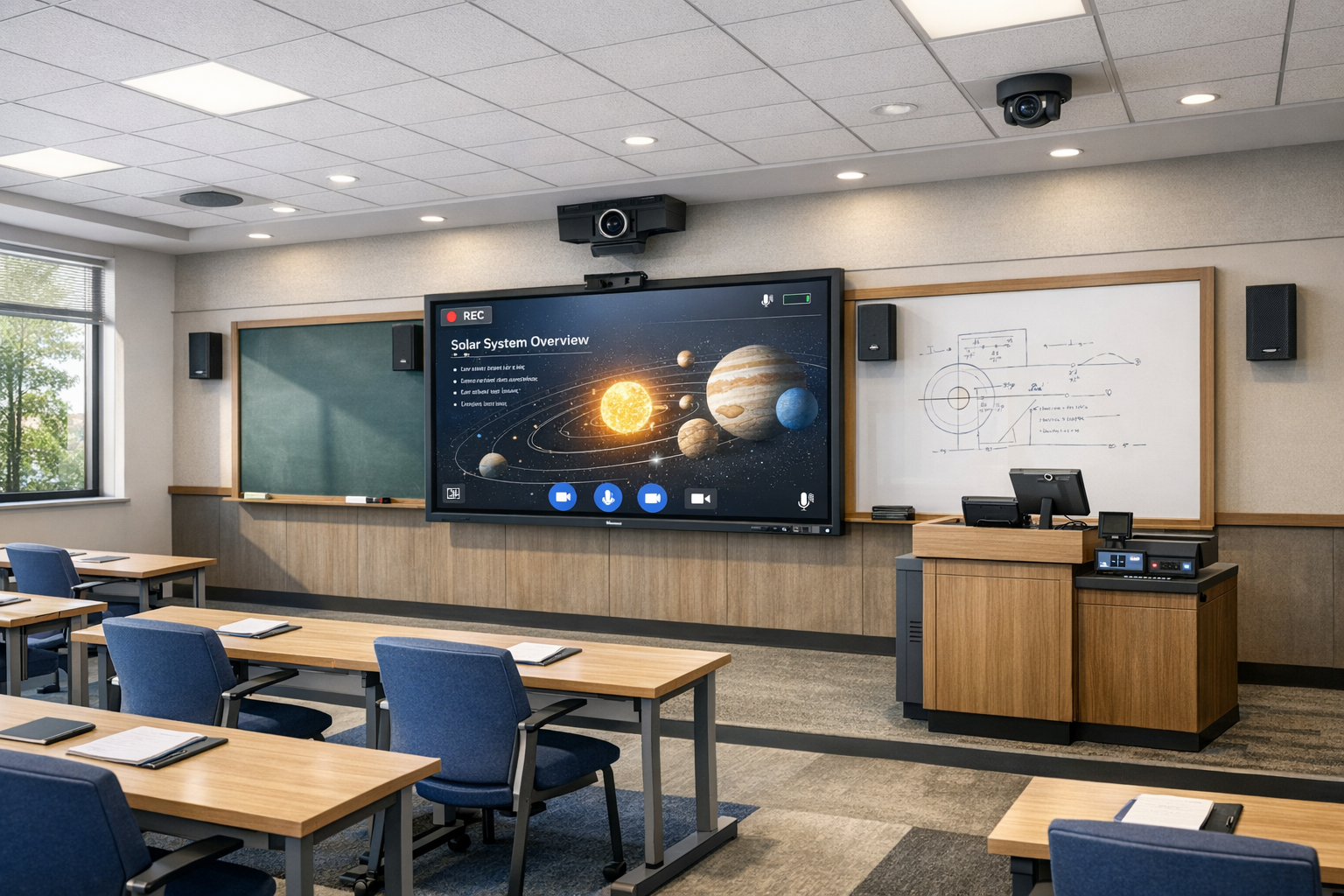
But a smart classroom is more than just a screen. It typically includes:
- An interactive flat panel or smart board for touch-based teaching
- Audio systems that ensure every student can hear clearly
- Wireless content sharing so teachers and students can present from any device
- Lesson recording and capture tools for revision and remote learning
- Integrated software for annotations, quizzes, and multimedia lessons
Solution Advisor
Want to know what equipment fits your classroom?
Our Solution Advisor matches displays, audio, and control systems to your room size and budget.
The Challenges Facing Education in Pakistan
Pakistani educators face several well-documented challenges: large class sizes, limited teacher training resources, uneven access to quality materials, and the growing need to prepare students for a digital economy. Traditional teaching methods, while valuable, often struggle to keep students engaged in an era of shrinking attention spans and information overload.
According to education researchers, student engagement is one of the strongest predictors of academic success. When students are passive listeners, retention drops. When they are active participants, learning accelerates. Smart classrooms directly address this by making lessons visual, interactive, and memorable.
"Technology in the classroom is not about replacing teachers. It is about giving teachers better tools to reach every student."
Key Benefits of Smart Classrooms
1. Improved Student Engagement
Interactive flat panels allow teachers to use videos, animations, diagrams, and live annotations during lessons. Students can come up to the board and solve problems directly on the screen. This hands-on approach keeps attention levels high, especially in subjects like mathematics, science, and geography where visualization matters.
2. Better Learning Outcomes
Multiple international studies have shown that classrooms equipped with interactive displays lead to measurable gains in student comprehension and test scores. The ability to revisit recorded lessons also helps students who need extra time to absorb complex topics.
3. Teacher Efficiency and Confidence
Smart classrooms reduce the time teachers spend writing on blackboards and managing physical teaching aids. Lesson plans can be saved, reused, and shared across departments. Over time, this builds a digital library of institutional knowledge that benefits the entire school.
4. Reduced Long-Term Costs
While the upfront investment in interactive panels may seem significant, schools often save money over time. There is no need for projector bulbs, markers, chalk, or printed handouts. Maintenance requirements for modern LED panels are minimal, and lifespans typically exceed 50,000 hours.
5. Preparation for the Digital Future
Students who learn in technology-enabled environments develop digital literacy naturally. They become comfortable with the kinds of tools they will use in universities and workplaces. For Pakistan's growing workforce, this is a competitive advantage.
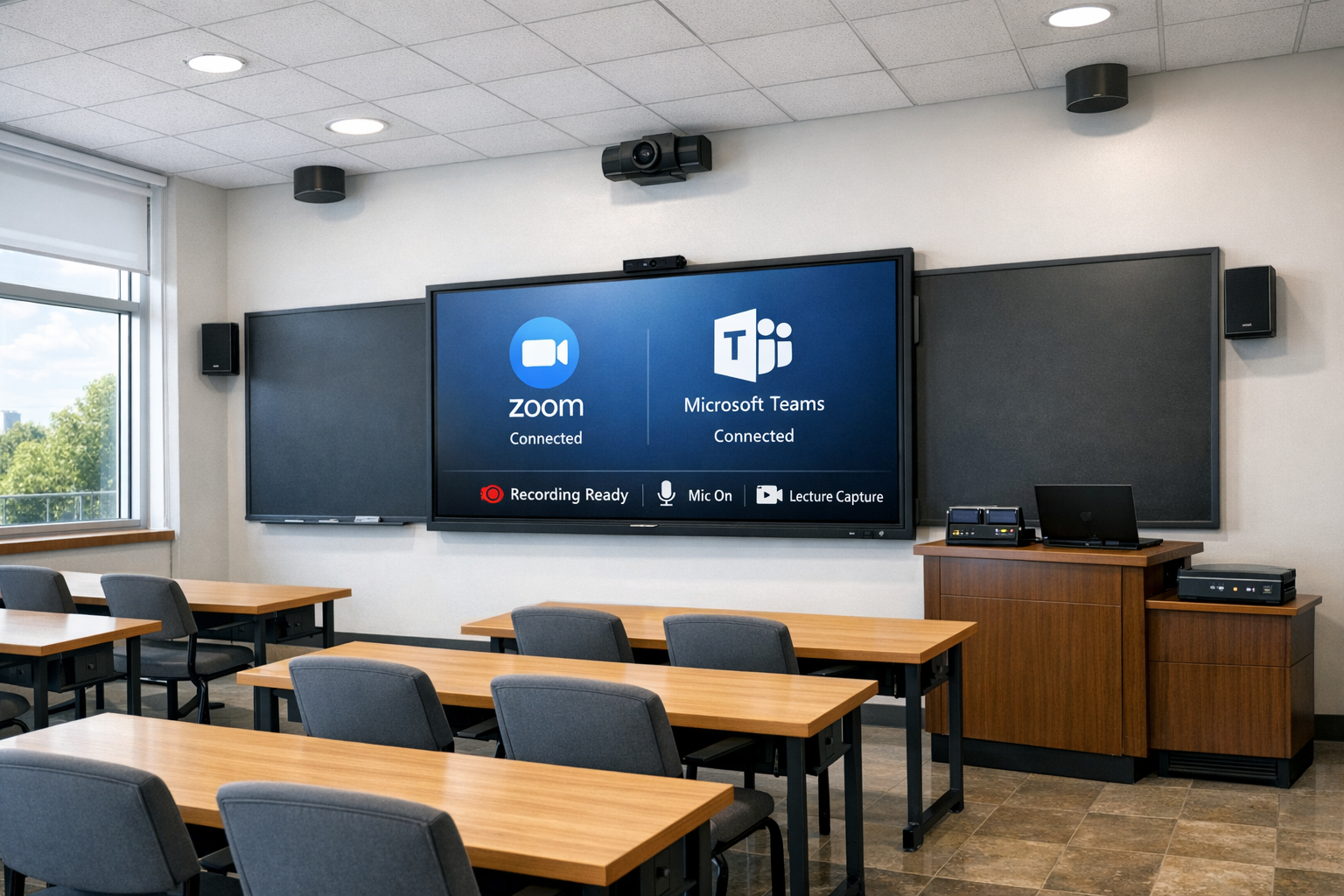
Integrated smart classroom infrastructure supports clearer audio, remote participation, and recorded lesson continuity
The Smart Classroom Opportunity in Pakistan
Across Pakistan, public and private schools, universities, and training centers are beginning to recognize the value of classroom technology. Government initiatives aimed at digitizing education, combined with falling hardware costs and improved local support networks, have made smart classrooms accessible to a wider range of institutions than ever before.
Cities like Karachi, Lahore, and Islamabad are seeing increased adoption, but the opportunity extends far beyond major urban centers. With the right planning and partner, schools in smaller cities and towns can also deploy effective, budget-appropriate smart classroom solutions.
How to Choose the Right Smart Classroom Partner
Selecting the right technology partner is as important as choosing the right hardware. A reliable partner should offer:
- On-site assessment of your classrooms, acoustics, and power infrastructure
- Product demonstrations so you can evaluate quality before committing
- Professional installation by trained technicians
- Teacher training to ensure effective use from day one
- Ongoing support and maintenance within Pakistan
At POSTO Tech, we have worked with schools, universities, and training centers across Pakistan to design and deploy smart classroom solutions that match local needs and budgets. Our approach starts with understanding your space, your teaching style, and your long-term goals.
Conclusion
Smart classrooms are no longer a luxury reserved for elite institutions. They are a practical, proven investment in better education. For Pakistani schools and universities, the question is not whether to adopt classroom technology, but how to do it wisely.
By focusing on quality hardware, proper installation, teacher training, and local support, institutions can build smart classrooms that deliver real value for years to come. The result is more engaged students, more confident teachers, and a stronger foundation for Pakistan's educational future.
Ready to design your smart classroom?
Get a personalized equipment recommendation and visual room layout in minutes. Then talk to us for a free consultation and classroom assessment.